HVAC Air Filter Compatibility Finder
Enter your filter size or system model below to find your exact, verified-compatible match.
HVAC filters come in dozens of sizes and MERV ratings, and the wrong one can restrict airflow or strain your system. This tool matches your filter’s printed size to verified replacement options across brands like Filterbuy, Filtrete, and Nordic Pure, so you know exactly what to buy.
FilterFitNow
Find the exact HVAC filter size your system takes.
Match your size and pick the right MERV rating — so you stop guessing every 90 days.
Its common sizes will appear here — tap the one that matches yours.
See our affiliate disclosure.
Prices and availability vary — always confirm the size printed on your own filter frame before buying.
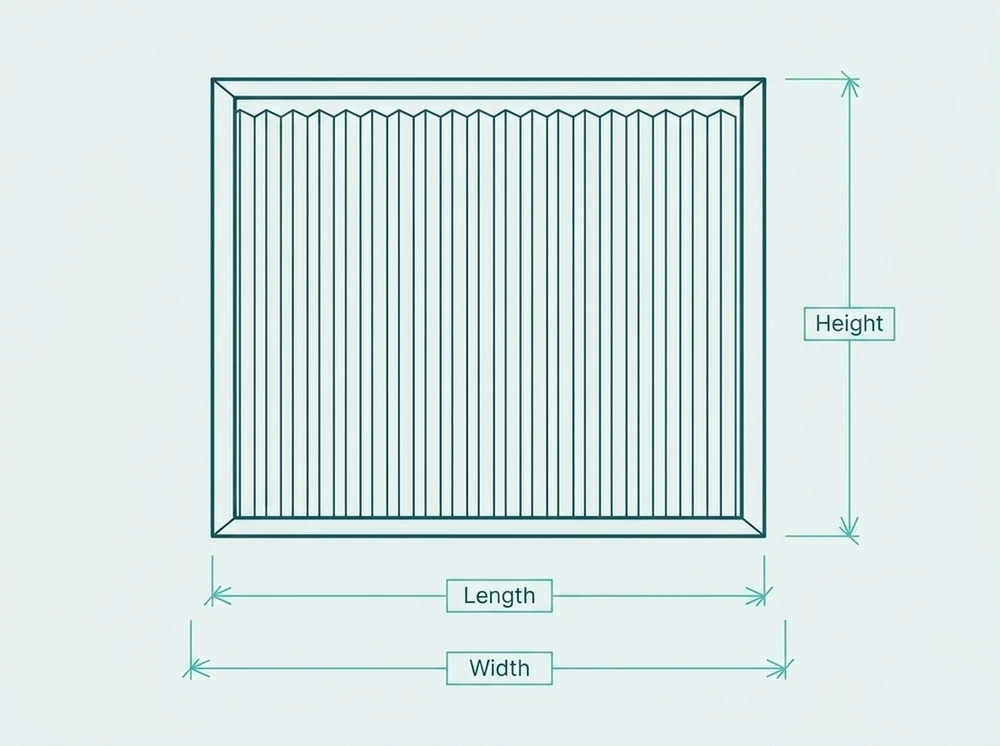
Wrong-size air filters restrict airflow and force your system to work harder, and the wrong MERV rating either lets dust through or chokes your blower motor. This tool matches your system’s filter slot size and required MERV rating to filters confirmed to fit.
Coverage includes MERV 8, MERV 11, and MERV 13 ratings across the standard filter sizes used in residential and light commercial systems.
Not sure what size you need, or want to see nominal vs. actual dimensions for common sizes first? Check our air filter size chart →
Every match on this page is cross-referenced against manufacturer specs and validated data — not just similar-looking part numbers. How we verify compatibility →
A filter that’s the wrong size will either not fit the slot or leave gaps that let unfiltered air bypass the media entirely, per our manufacturer-spec verification process — getting the size and MERV rating right matters more than most people realize. Read the full verification methodology →
How Do You Replace an HVAC Air Filter?
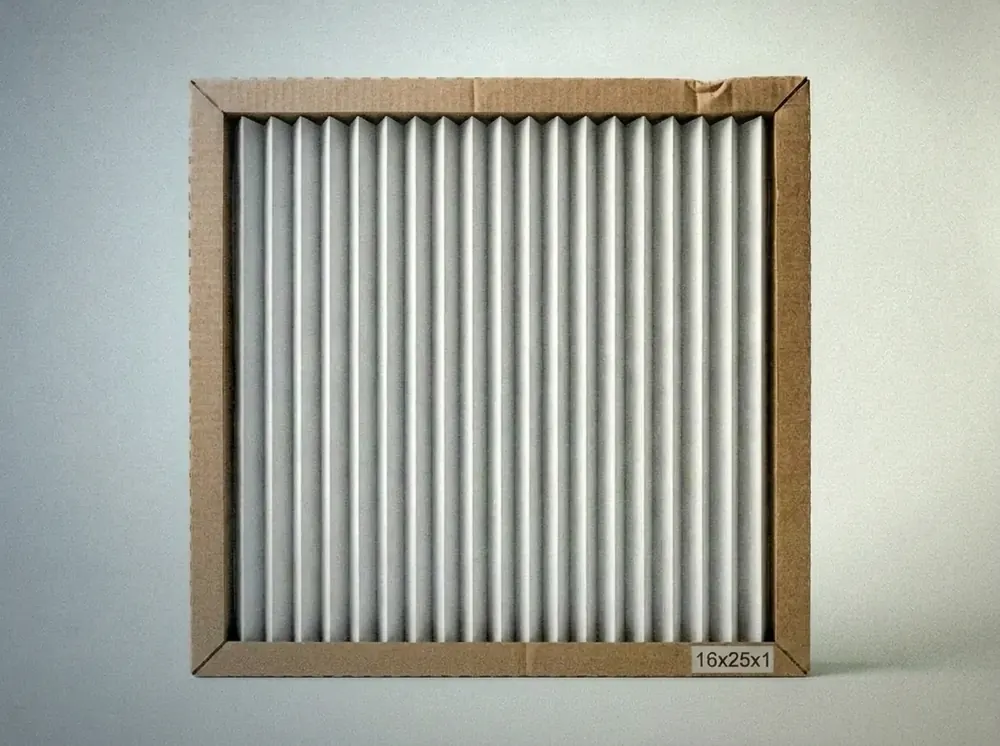
Turn off the system, slide out the old filter noting the airflow-direction arrow printed on the frame, and insert the new filter with the arrow pointing toward the furnace or air handler.
- Locate the filter slot — usually a return air vent in a wall or ceiling, or a slot on the furnace or air handler cabinet itself.
- Note the airflow direction arrow printed on the frame of the old filter before removing it.
- Slide the old filter out and check the size printed on the frame edge (e.g. 16x25x1) to confirm your replacement matches.
- Slide the new filter in with the airflow arrow pointing toward the furnace or air handler, not toward the room.
- Close the vent cover or access panel fully — a gap here lets unfiltered air bypass the filter.

Frequently Asked Questions
How often should I replace my HVAC air filter?
Every 60 to 90 days for most residential systems, or more often if you have pets, allergies, or run the system continuously during high-pollen seasons. Manufacturers print a recommended interval on the filter’s cardboard frame, but that number assumes average household conditions rather than yours specifically, so treat it as a starting point rather than a fixed rule. A simple monthly check works well between full replacements: pull the filter and hold it up to a light source, and if you cannot clearly see light passing through the pleats, it is already overdue regardless of the calendar. Homes with shedding pets, active renovation dust, or wildfire smoke exposure often need a fresh filter closer to the 30-45 day mark instead of the standard interval. A filter left well past its interval restricts airflow and forces the blower to work harder, which shows up as slightly higher energy bills before the filter even looks visibly dirty.
What MERV rating do I need?
MERV 8 handles basic dust and works for most homes without airflow restriction concerns. MERV 11 adds pet dander and smaller allergen capture. MERV 13 captures the most, including some virus-sized particles, but check your system’s manual first — older or smaller-capacity systems can struggle with the added airflow resistance of higher MERV filters.
Can I use a higher MERV filter than recommended?
Not always safely. A MERV rating higher than the system is rated for can restrict airflow enough to strain the blower motor and reduce overall efficiency. Higher MERV filters have denser, more tightly woven media that captures smaller particles, but that same density creates more resistance to airflow, known as static pressure, than most residential blowers were designed to push against. Signs of a filter restricting airflow too much include noticeably weaker airflow from vents, a system that runs longer to reach the set temperature, rising energy bills, and in more severe cases a frozen evaporator coil from insufficient airflow across it. If your system’s manual does not list a maximum supported MERV rating, staying at MERV 8-11 is the safer default until a technician confirms otherwise. When in doubt, a return-vent static pressure check by a technician is the definitive way to confirm what your specific system can safely support.
The size printed on my old filter is worn off — how do I find my size?
Measure the length, width, and depth of the filter slot directly (not the old filter itself, which can compress slightly). Standard sizes are usually printed in whole or half inches, e.g. 16x25x1.
What happens if I use the wrong size filter?
Too small leaves gaps that let unfiltered air bypass the media entirely. Too large will not fit the slot or will crimp and reduce airflow. A persistent gap around an undersized filter is often worse than running with no filter installed correctly, since unfiltered air and debris reach the blower motor and coil continuously while the system still reports as having a filter in place, masking the problem. A filter forced into a slot it is slightly too large for can bend its cardboard frame, which both reduces its effective filtering area and can damage the door or gasket seal on the filter compartment over repeated forced installations. Measuring the actual slot dimensions, not just the size printed on the old filter, is the most reliable way to avoid both problems. Checking the size stamped on the filter frame itself, rather than guessing from memory, takes under a minute and avoids both problems entirely.
Other Filter Tools
Also need a filter match for something else?
HVAC Air Filter Sizes & Replacement Options
Verified replacement options by filter size. Always confirm the size printed on your own filter
frame before buying.
| Size | Tier | MERV | Brand | Price |
|---|---|---|---|---|
| 16x25x1 | Basic dust defense | 8 | Filterbuy | $6.66 ea (6-pack $39.96) |
| 16x25x1 | Premium allergen | 13 | Filterbuy | $8.33 ea (6-pack $49.98) |
| 14x20x1 | Mid allergy defense | 11 | Filterbuy | $7.49 ea (bulk pricing) |
| 14x20x1 | Basic | — | AirFilters.com | From $39.84 (4-pack) |
| 20x25x1 | Premium allergen (MPR 1900) | 13 | Filtrete | Check current price |
| 16x20x1 | Allergy defense | 12 | Nordic Pure | Check current price (6-pack) |
| 16x25x1 | Pick your MERV (6-13), affiliate | 6-13 | Air Filters Delivered | From $7 ea (6-pack) |
| 14x20x1 | Pick your MERV (6-13), affiliate | 6-13 | Air Filters Delivered | From $7 ea (6-pack) |
| 20x25x1 | Pick your MERV (6-13), affiliate | 6-13 | Factory Direct Filters | Check current price |
| 16x20x1 | Pick your MERV (6-13), affiliate | 6-13 | Factory Direct Filters | Check current price |
Looking for a different filter?
Fridge Filters · HVAC Filters · Vacuum Filters · Water Filtration · Range Hood Filters